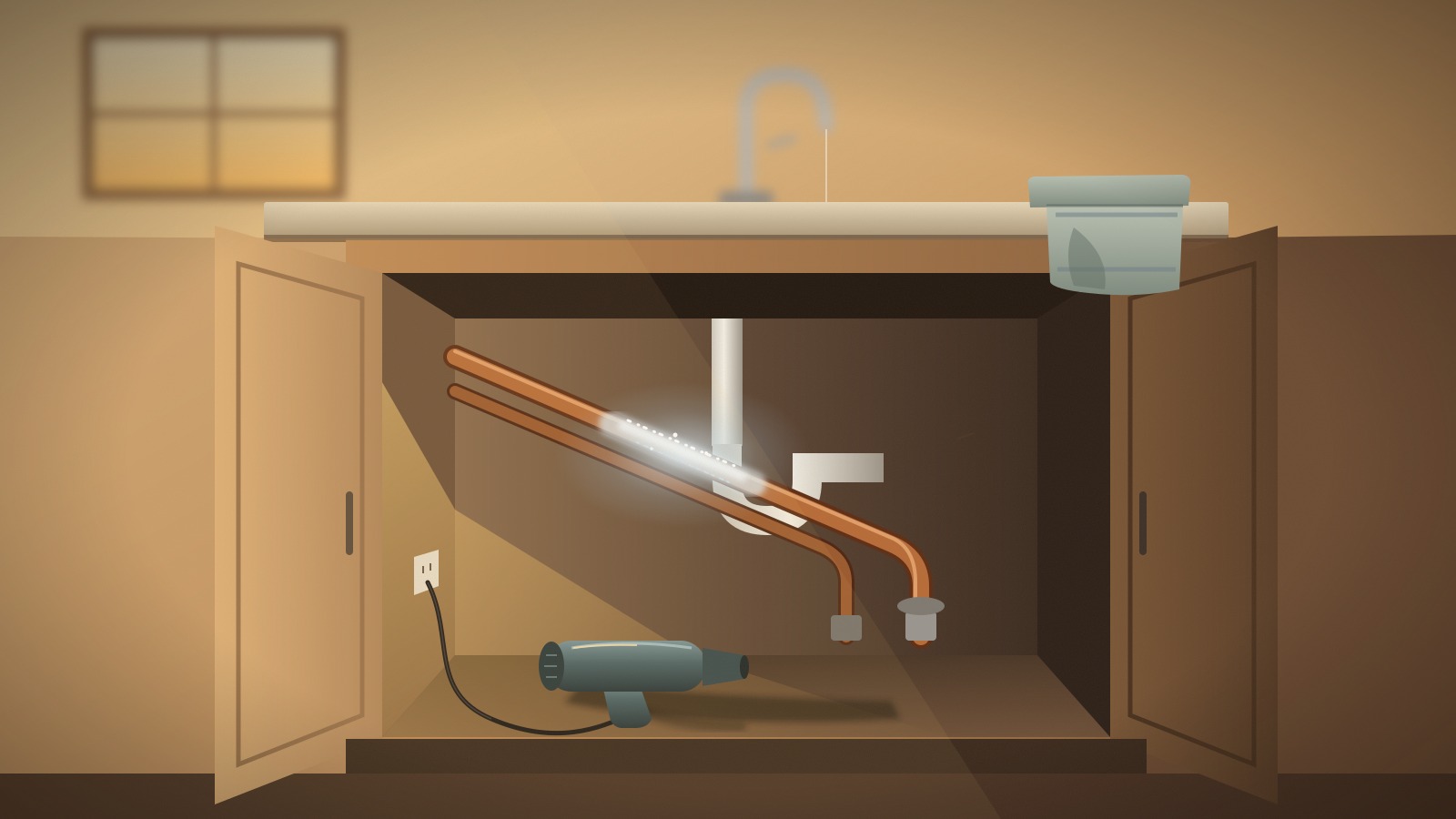
To thaw a frozen pipe, open the faucet on that line, then warm the frozen section with a hair dryer, electric heating pad, space heater kept away from anything flammable, or towels soaked in hot water. Start near the faucet end and keep heating until full water pressure returns. Never use a blowtorch or any open flame.
-
Turn on the faucet the frozen pipe feeds and leave it open.
-
Find the frozen section. It feels ice cold, may show frost, and sits on a cold exterior wall or in an unheated space.
-
Apply gentle heat, starting at the faucet end and working back.
-
Keep going until the faucet runs at full pressure.
-
If you can't find or reach the frozen spot, or it won't thaw, call a licensed plumber.
-
If the pipe bursts, shut off the main water valve right away and call a plumber.
Middle Tennessee is due for its first hard freeze of the season. WSMV First Alert meteorologist Bree Smith forecast on Nov. 11 that "widespread lows in the 20s are expected Saturday morning and again Sunday morning," which means Nov. 14 and 15. WSMV defines a hard freeze as temperatures at 28°F or colder for several hours. That's long enough to freeze water in a pipe that sits against a thin exterior wall or runs through a crawl space. If you've never had to figure out how to thaw frozen pipes, spend a few minutes today getting ready. It's a lot easier than learning at 6 a.m. Saturday with a trickling faucet.
Before the cold arrives: find your main shut-off valve
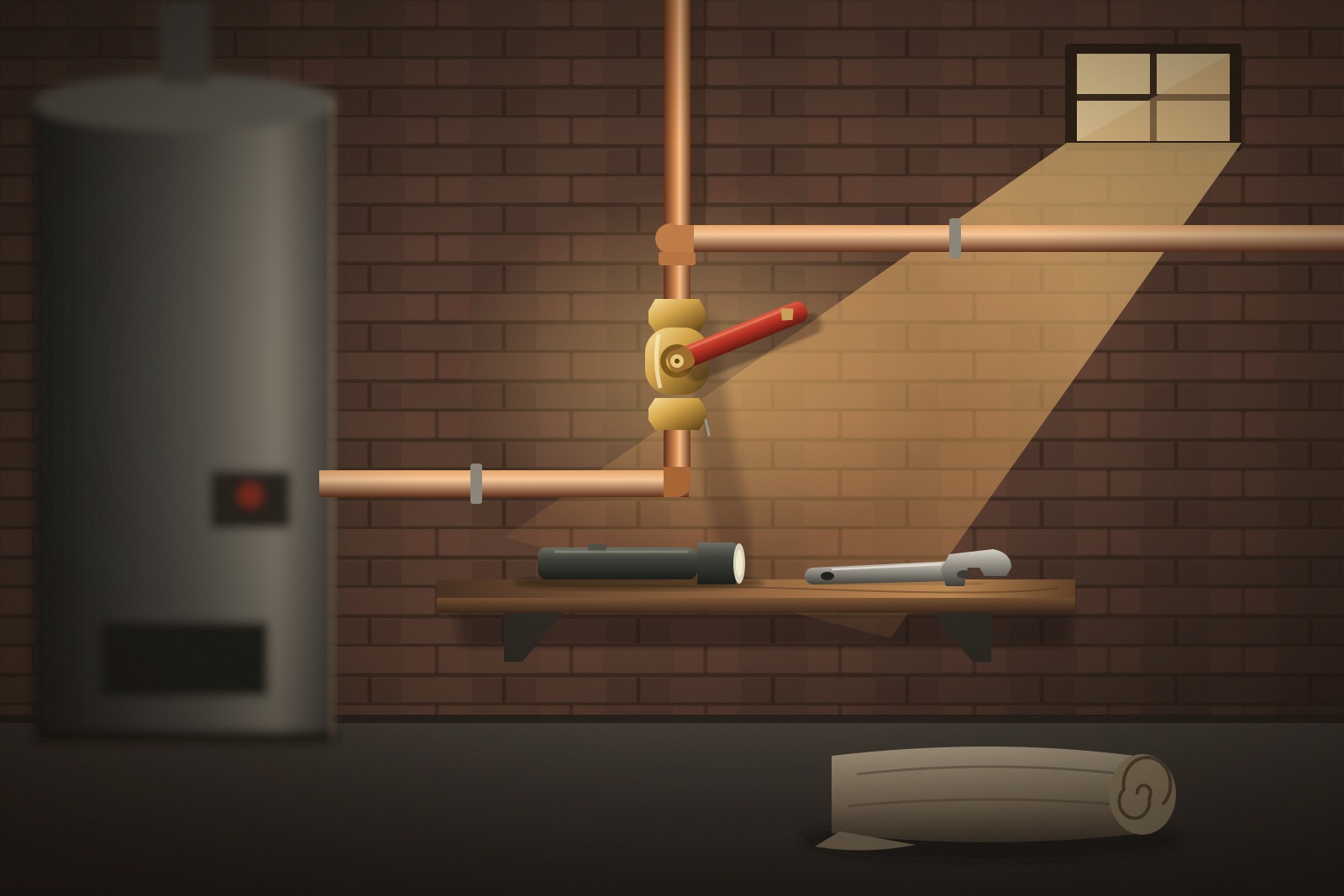
This is the single most useful thing you can do tonight. If a pipe bursts, the main valve is what stops water from pouring into your walls or floors while you wait for a plumber. Nashville Metro Water Services (MWS) lists the usual spots:
-
The basement
-
Under the kitchen sink
-
A utility closet
-
Near the water heater
-
In a crawl space
Once you find it, MWS advises testing it. An old valve that hasn't been turned in years can be stiff or fail to close all the way, and you'd rather find that out on a calm Friday afternoon than during a flood.
WSMV's prep list for this weekend is short: "Disconnect and drain garden hoses, cover outdoor faucets and insulate exposed pipes." A hose left attached holds water that can freeze back into the spigot, so take it off even if you plan to use it again in a week.
How to tell a pipe is frozen
MWS puts it simply: "If you turn on a faucet and only a trickle comes out, suspect a frozen pipe." If one faucet works fine and another barely runs, that narrows the problem to the line feeding the slow one.
Start your search where pipes are most exposed. MWS says the pipes most at risk are "pipes that run against exterior walls that have little or no insulation," along with pipes in unheated areas: basements, crawl spaces, attics, garages and kitchen cabinets. A sink on an outside wall with the cabinet doors closed is a classic trouble spot.
BobVila.com describes the signs you can check by hand and eye: reduced flow, strange noises, or visible frost on the pipe. Run your hand along any pipe you can reach. As the guide puts it, "a frozen pipe literally feels ice cold."
Thawing the pipe, step by step
Open the faucet on the frozen line first. MWS says to keep it open so water can flow as the ice melts. Running water helps finish the thaw, and it shows you when the line is clear.
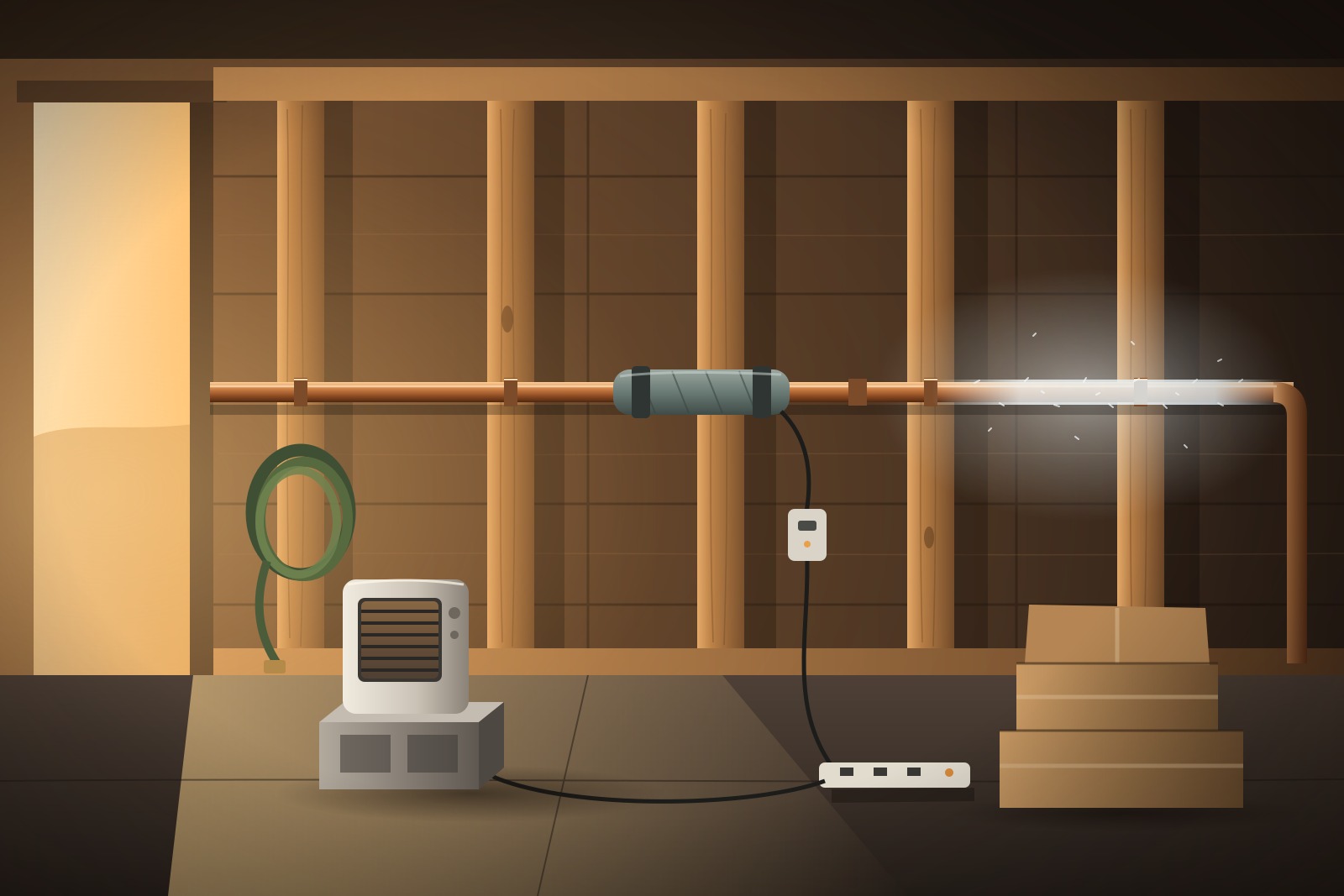
Then apply heat. MWS approves these methods:
-
An electric heating pad wrapped around the pipe
-
An electric hair dryer
-
A portable space heater, kept away from flammable materials
-
Towels soaked in hot water and wrapped around the pipe
Cleveland Water, another utility, gives nearly the same list and adds heat lamps and heat tape.
Where you aim the heat matters. BobVila.com recommends starting near the faucet end of the frozen area and working back toward the cold section, so melted water and steam have somewhere to go. Be patient. According to CBS News, Red Cross guidance is to keep applying heat until full water pressure returns. A faucet that goes from trickle to half-flow isn't done yet.
Never use a torch or open flame
MWS is direct: "Do not use a blowtorch, kerosene or propane heater, charcoal stove, or other open flame device." Cleveland Water says the same thing and explains why. An open flame "creates a serious fire hazard and can cause more damage to the pipe." Pipes often run next to wood framing, insulation and the back of cabinets, so a torch that seems quick can turn a plumbing problem into a fire. If the electric options aren't working, that's the point to call a pro instead of reaching for a flame.
Faucet open or main shut off? The guides differ
You may see conflicting advice. MWS and Cleveland Water both say to keep the faucet on the frozen line open while you thaw. BobVila.com recommends shutting off the main valve before you start. We'd follow the local utility's method, since MWS is the water provider for many Nashville homes, but either way you need to know where your main is.
On one point every source agrees: if a pipe bursts or starts leaking, shut the main valve immediately. A frozen pipe can split without showing it until the ice melts, so watch the thawed section and the area around it for drips as water starts moving again.
When to call a plumber
Both utilities draw the same line. Cleveland Water says, "If you can't locate the frozen pipe or it's not in an accessible location, you should call a licensed plumber." MWS adds the case where you find it but can't get it to thaw. And if a pipe bursts, shut the main first, then call a licensed plumber as soon as possible.
Don't count on the water utility to fix this. MWS says residents "should contact a plumber as MWS is unable to respond to private plumbing issues." The utility's number is 615-862-4600, but pipes on your side of the meter are your plumber's job.
What a fair emergency plumbing price looks like
A weekend freeze means many calls will land on a Saturday or Sunday morning, which is when rates are highest. I couldn't find reliable Nashville-specific numbers, so these are national figures from 2026.
-
Total emergency visit: about $215-$655, according to both Fixr and Thumbtack. Thumbtack says most people pay $377.
-
Emergency hourly rate: Fixr puts it at $100-$500 per hour, with an average of $170. Thumbtack lists plumbers' average hourly fee at $90-$147 and says middle-of-the-night calls can cost double the regular hourly rate.
-
After-hours trip fee: $100-$350 (Fixr).
-
Evening, weekend or holiday premium: Fixr says to expect 50% to 100% higher rates.
-
Diagnostic fee: $75-$300 (Fixr). Some plumbers credit it toward the repair and some don't.
For comparison, Fixr's guide to finding a plumber puts standard service-call fees at $75-$150 and says emergency service typically costs 1.5x to 3x more. Location matters too. Fixr notes that costs in major cities or areas with a higher cost of living tend to be higher than in rural areas, so a call inside Nashville may land higher in these ranges than one in a smaller county.
If the pipe is frozen but intact and you can wait, a weekday call during business hours will almost always cost less. If water is coming out of a split pipe, shut the main and make the call. The emergency premium is usually smaller than the cost of water soaking into floors and drywall.
What to ask before the plumber drives out
-
What's the trip or after-hours fee, and is it charged even if the fix is quick?
-
Is there a diagnostic fee, and does it count toward the repair?
-
What's the hourly rate, and is it a night or weekend rate?
-
Are you licensed?
Write the answers down. If the bill doesn't match what you were told on the phone, you'll have notes to point to.
Related reading
-
Rain Returned to Texas, but Slab Foundations Are Still Moving
-
Burst Pipe Repair Cost, From the Plumber's Visit to Drying Out the Drywall
-
How to Winterize Outdoor Faucets Before the First Hard Freeze
Sources
-
WSMV: First hard freeze of the season expected this weekend in Middle Tennessee (Bree Smith, Nov. 11, 2026)
-
Nashville Metro Water Services: Prepare plumbing for extreme cold (Jan. 22, 2026)
-
CBS News: What to do if your pipes freeze at home (Caitlin O'Kane, Jan. 17, 2024)
-
Fixr: Emergency Plumbing Costs (Deana Barbaro, Oct. 31, 2026)
-
Fixr: Finding a Plumber Near Me (Oct. 6, 2026)
-
Thumbtack: How much do emergency plumbers cost? (updated Jul. 8, 2026)
Note: This article contains AI-assisted content and has been reviewed by our editorial team.
ABOUT THIS SERVICE: CallTheLocal.com is a directory and lead generation service, not a contractor or service provider. Submitting this form does not obligate you to hire anyone or purchase any service. Your information will be shared with licensed, insured home service professionals in your area who may provide quotes for your project. CallTheLocal.com does not guarantee the quality, timeliness, or outcome of any work performed by service providers you connect with through this service. Always verify licensing, insurance, and references before hiring. Get everything in writing before work begins.