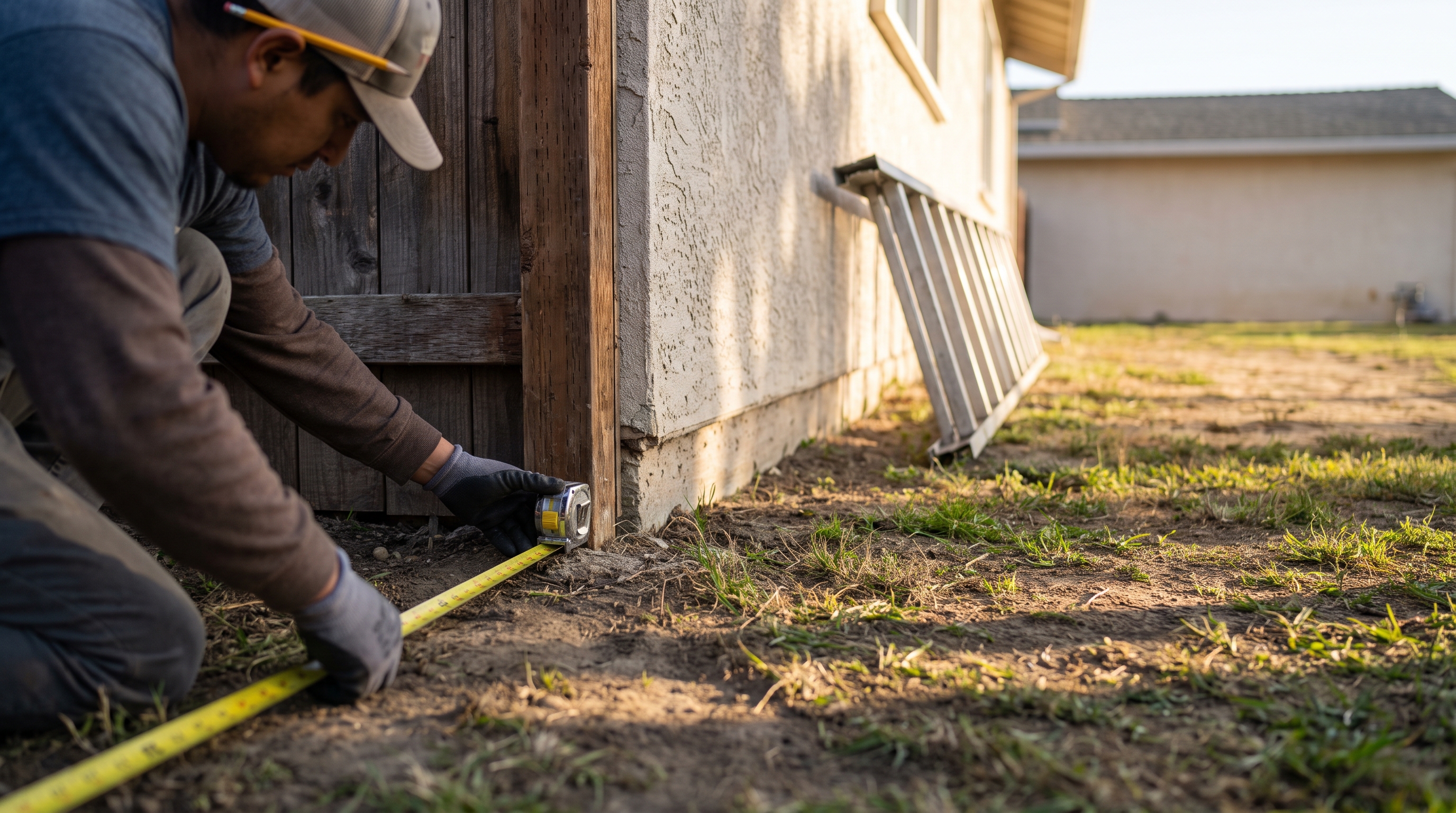
If a wood fence runs right up to your house in California fire country, you have probably heard that it has to go by the end of September. That is not the case. California's Board of Forestry voted 8-0 on August 19, 2026 to adopt emergency Zone 0 rules. Then, in early September, it withdrew the package from state review. This guide covers Zone 0 fence requirements as the Board adopted them, when they could apply to your home, where local rules already apply, and what it costs to fix only the part of the fence that matters.
Short version: there is no statewide effective date yet. For most existing homes, fence changes are among the last items to phase in. So you have time to plan, get bids and pick the right season to book the work.
Where does the Zone 0 rule stand right now?
The state rule is on hold. The Board adopted it on August 19, sent it to the Office of Administrative Law (OAL) on August 28, and then withdrew it. As of today, no statewide start date has been set.
Here is the timeline. According to a Best Best & Krieger legal alert, the Board adopted emergency Zone 0 regulations under AB 3074 and submitted them to OAL on August 28. OAL's public comment period closed September 2. The rules need OAL approval and filing before they take effect. Zone Zero California reports that OAL listed the emergency filing (2026-0828-03E) as withdrawn on September 8 and says there is "no statewide effective date."
Wildfire Los Angeles reports that the Board calls the withdrawal procedural. The Board is working through technical edits and questions with OAL and plans to resubmit, but it has not published a timetable. Another comment period is likely.
Does Zone 0 apply to my house?
It applies to every structure in a State Responsibility Area (SRA), whatever the hazard class. In Local Responsibility Areas (LRA), it applies only to occupied structures in Very High Fire Hazard Severity Zones. It does not apply to Moderate or High zones in LRAs, according to BBK.
To check, look up your address on CAL FIRE's Fire Hazard Severity Zone map. You need two answers: whether you are in an SRA or an LRA, and, if you are in an LRA, whether your parcel is rated Very High. Write both down. A good fence contractor will ask for them, and they also decide which phase-in schedule applies to you (more on that below).
What does Zone 0 require for fences?
Under the adopted draft, a combustible fence or gate cannot attach directly to your house. An existing wood fence that attaches needs a 5-foot noncombustible span where it meets the house. No new combustible fencing is allowed within Zone 0, and existing wood fencing can still be repaired with wood.
Here are the details from the BBK summary and the Firewise Fences guide:
-
Attached fences: Combustible fences and gates may not attach directly to the structure. An existing attached combustible fence needs a 5-foot noncombustible span.
-
Close but not touching: Firewise Fences says the span also applies where a fence comes within about 1 foot of the house.
-
New fencing: No new combustible fencing within the 5-foot zone.
-
Repairs: Existing combustible fencing may be repaired with combustible materials. A broken wood picket does not force a metal replacement.
For context, the Thousand Oaks Acorn describes the Zone 0 draft as a 1-foot bare zone next to the house, plus a 4-foot low-combustibility band where maintained plants such as flowers and succulents are allowed. In practice, the fence rule means the first five feet of fence leaving your wall has to be something that will not burn.
When do Zone 0 fence rules take effect?
Not until the state rule is resubmitted, approved and filed. Even then, fencing on existing homes is among the last requirements to phase in, 3 to 5 years after the rule takes effect. New construction faces the rules sooner.
Per BBK, existing homes would have to handle a short list of chores as soon as the rule takes effect:
-
Clearing roofs and gutters
-
Removing firewood from the zone
-
Removing dead branches
-
Keeping clearance around the chimney
Combustible materials, vegetation, fencing and outbuildings phase in over 3 to 5 years, depending on SRA or LRA status. Firewise Fences puts fencing in the final phase. Wildfire Los Angeles has a homeowner-friendly walkthrough of that multiyear transition.
For new construction, the sources disagree on exact timing. Plan on new homes having to comply earlier than existing ones.
What if I live in San Diego?
Then your deadline already exists, whatever happens in Sacramento. The City of San Diego and unincorporated San Diego County already have their own ember-zone rules.
According to Zone Zero Report, City of San Diego Ordinance O-22042 (Municipal Code §512.0604) took effect February 28, 2026 for new structures. The existing-structure phase starts February 28, 2027, and full compliance, including fence and gate replacement, is expected by February 28, 2029. The city requires a 5-foot noncombustible transitional span where an attached fence runs out from the house. Zone Zero California also lists the February 28, 2029 deadline.
Unincorporated San Diego County has required a noncombustible first five feet since 2023. If you are in the unincorporated county and your wood fence still ties into the house, ask a contractor about it now.
How much does it cost to replace the first 5 feet of a wood fence?
One San Diego installer quotes about $2,000 to $2,500 for a 5-to-10-foot aluminum section with no gate, and about $3,000 and up if a gate falls in that stretch. The job usually takes about half a day.
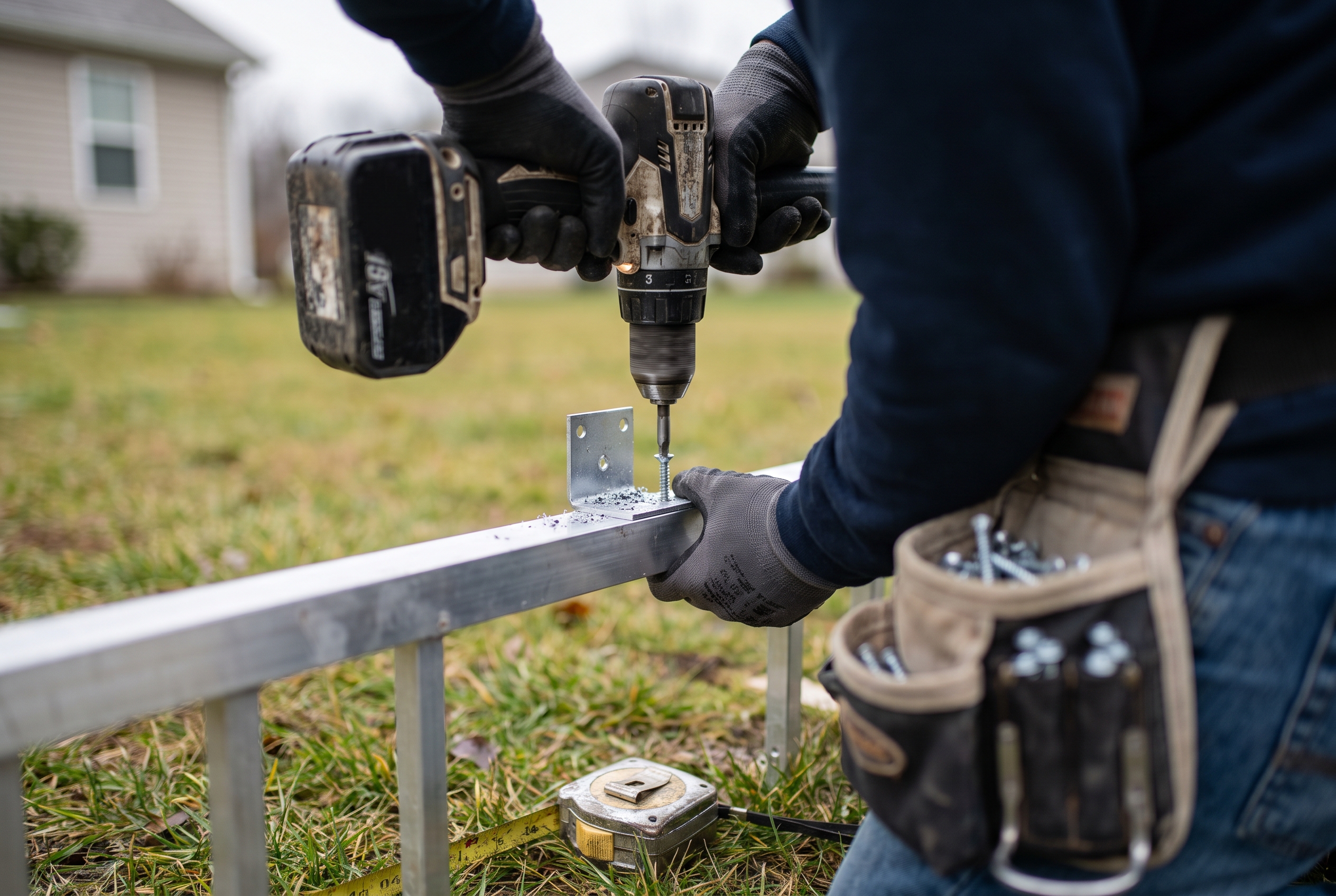
These are prices from a single company, JJ's Fence Company in San Diego, for 2026. They are a starting point, not a statewide average. The same installer lists:
| Job (aluminum) | Approximate price, San Diego |
|---|---|
| Partial replacement, 5 to 10 ft, no gate | $2,000 to $2,500 |
| Partial replacement with a gate | From about $3,000 |
| Side yard, 30 to 50 ft | $2,500 to $5,000 |
| Full perimeter | $5,000 to $15,000+ |
The installer says partial replacement usually runs about 60 to 80% cheaper than redoing the whole fence line. If the rest of your wood fence is in good shape, swapping only the first section is usually the cheapest way to comply. We have not verified pricing for Northern California, the Central Valley or Southern California outside San Diego, so get local quotes before you budget.
For whole-home compliance, not just fences, estimates vary a lot. The Acorn reports the Board estimated an average cost of $960.54 per home. Agoura Hills Councilmember Penny Sylvester said she spent $16,000 on her 2,300-square-foot house and called the estimate "absolutely ludicrous." Your number depends on what sits within five feet of your walls.
What moves the fence quote
-
A gate inside the 5 feet. This is the biggest price jump. Metal gates need sturdier posts and new hardware.
-
Condition of the remaining wood. If the wood is rotting, joining new metal to it is money poorly spent. You may be better off replacing more of the run.
-
The wood-to-metal transition. How the contractor joins the new section to the old one affects both looks and cost.
-
Color matching. Matching a stain or paint color costs extra.
-
Terrain and access. Slopes and tight side yards take more labor.
Which fence materials meet Zone 0?
Noncombustible options include aluminum, steel, masonry block and gabion (wire baskets filled with rock), per the San Diego sources above. Here is how they compare in practice:
-
Aluminum: The go-to choice for partial swaps and the material behind the prices above. It is light, comes in several colors and installs quickly.
-
Steel: Stronger and heavier. Often chosen for gates that get a lot of use.
-
Masonry block: Solid, private and permanent, but it needs a footing. Expect a longer job than a half-day metal swap.
-
Gabion: A rustic look that suits hillside and desert yards. It is bulky, so it takes up more of your 5-foot zone.
Ask each bidder to explain how their material will join your existing wood fence, and ask to see photos of transitions they have built.
How to read a Zone 0 fence bid
A lump-sum "Zone 0 compliance, $2,800" tells you very little. Ask for separate lines covering:
-
Tear-out of the wood section
-
Posts and footings
-
The transition post where metal meets wood
-
Panels or infill material
-
Gate, gate hardware and any latch or closer
-
Color match or finish
-
Haul-away and disposal
-
Permit, if your city requires one
With line items, you can compare two bids side by side. You can also spot a contractor who quotes a full-perimeter job when you only need five feet.
Should I replace my fence now or wait?
Call a fence contractor now if any of these apply:
-
A gate falls within five feet of the house. That is the priciest piece, so it is worth planning early.
-
The wood near the house is rotting and needs replacing anyway.
-
You live in the City of San Diego or unincorporated San Diego County, where local rules already set dates.
-
Your insurer or an inspector has flagged the fence.
If none of those apply, you can wait for the resubmitted state rule and its final wording. Keep the fence repaired in the meantime, since repairs with wood are allowed. Then book the swap in a slower season, and get at least two bids.
How to vet a fence contractor in California
-
Check the license. Use the Contractors State License Board (CSLB) license lookup and confirm the contractor holds the C-13 fencing classification.
-
Get proof of insurance before anyone digs a post hole.
-
Watch the deposit. California caps down payments on home-improvement contracts. A contractor asking for a large share up front is a red flag.
-
Ask which rule they are building to. A contractor who knows the subject can tell you whether your job follows the City of San Diego ordinance, the county rule or the pending state draft, and why the span is five feet.
-
Get it all in writing, including the material, the length of the noncombustible span and the gate details.
Related reading
-
What a Fair Flooring Installation Quote Includes, Line by Line
-
Oil at $5.70 a Gallon Changes the Heat Pump Math in the Northeast
Sources
-
Wildfire Los Angeles: Zone 0 Regulations Withdrawn from OAL Review (Sept 11, 2026)
-
Wildfire Los Angeles: Zone 0, What Changes When? (Aug 24, 2026)
-
Firewise Fences: California Zone 0 Rules for Fences and Gates
-
Thousand Oaks Acorn: "Zone 0" rules draw fire (Sept 11, 2026)
ABOUT THIS SERVICE: CallTheLocal.com is a directory and lead generation service, not a contractor or service provider. Submitting this form does not obligate you to hire anyone or purchase any service. Your information will be shared with licensed, insured home service professionals in your area who may provide quotes for your project. CallTheLocal.com does not guarantee the quality, timeliness, or outcome of any work performed by service providers you connect with through this service. Always verify licensing, insurance, and references before hiring. Get everything in writing before work begins.
Note: This article contains AI-assisted content and has been reviewed by our editorial team.