Steve and Alayne Isom's new carpet went in on the Tuesday before the flood. It was the last piece of about $80,000 in repairs after the Aug. 14 flood in Hurricane, Utah: new flooring, drywall and insulation removal, and the carpet. Then on Thursday, Oct. 22, water came through again. "We literally moved our piano and my daughter's cedar chest back into the home yesterday," Alayne Isom told the Salt Lake Tribune. If you're one of the families starting over, this flood restoration timeline covers what happens at each stage, how long it took your neighbors, and what it cost them.
The Isoms are one family. The city's early estimate was about 80 homes and 50 trailers and RVs at Willow Wind RV Park, plus damaged roads, bridges, culverts and electrical boxes, according to UPR and Fox 13. KSL reported Gould Wash floodwaters affected about 130 homes. Total costs were still unknown.
Why did Hurricane flood again?
A storm near Apple Valley dropped up to two inches of rain in two hours and sent runoff down Gould Wash into the city, National Weather Service meteorologist Alex DeSmet told the Salt Lake Tribune. "We went 20 years without a single incident, and now this flooding has happened twice," Steve Isom said.
Warning timing is in dispute. City officials said they notified floodplain residents around 8:30 a.m. Alayne Isom said she got no warning until about 11:30 a.m., two hours after water had entered her home.
Mayor Clark Fawcett declared a local emergency the afternoon of Oct. 22. KSL reported the declaration will help the city seek state and federal cleanup funding in the coming months. As of Oct. 24, no state or federal disaster declaration for Hurricane had shown up in any coverage. The city has been pushing for a $67 million detention basin on the east bench, but KUTV reported on Oct. 9 that no progress had been made on it since August.
How long does flood restoration take?
For a home that flooded in Hurricane in August, the full process took roughly seven to ten weeks for the families who finished, and many took longer. The Puga family moved back in Oct. 1, about seven weeks after the Aug. 14 flood. The Isoms finished in about 10 weeks. As of Oct. 9, KUTV reported most Pecan Townhomes residents still hadn't returned home.
Here's how the stages break down:
| Stage | Typical timing | What happens |
|---|---|---|
| Safety and documentation | First 24 to 48 hours | Photos, video, serial numbers, samples, start the claim |
| Water removal and drying | Days to weeks | Extraction, fans, dehumidifiers, moisture readings |
| Demolition | Overlaps with drying | Remove wet drywall, insulation and carpet; clean framing |
| Rebuild | Weeks | Drywall, cabinets, flooring, fixtures |
| Close-out | End of project | Final invoices, moisture records, receipts |
The NFIP Proof of Loss deadline (60 days from the flood) runs alongside all of this, so for an Oct. 22 loss, keep late December in mind.
What should you do in the first 48 hours after a flood?
Get out safely, then document everything before you move or throw anything away. The CDC says: "When water gets into your home, clean and dry or remove wet items within 24-48 hours to prevent mold from growing." That clock is why documentation has to come fast.
FloodSmart, the NFIP's consumer site, lays out what adjusters want to see:
-
Photos and video of every room. "Take photos and videos of your flood-damaged belongings and property." FloodSmart's agent guidance says to document both inside and outside before cleanup or repairs begin.
-
Appliance details. "Write down or take photos of the make, model and serial number for appliances and electronics."
-
Samples. "Keep samples of flood-damaged items like carpet, flooring and curtains." A small square of carpet in a trash bag in the garage can save you an argument later.
-
Then toss what's unsafe. "After documenting, throw away items that pose a health risk."
Report the claim right away if you have flood coverage. The NFIP phone line is 877-336-2627. If you had $80,000 or $15,000 worth of August repairs, dig up those receipts now too. They show what condition the home was in before Oct. 22.
How long does it take a house to dry out after a flood?
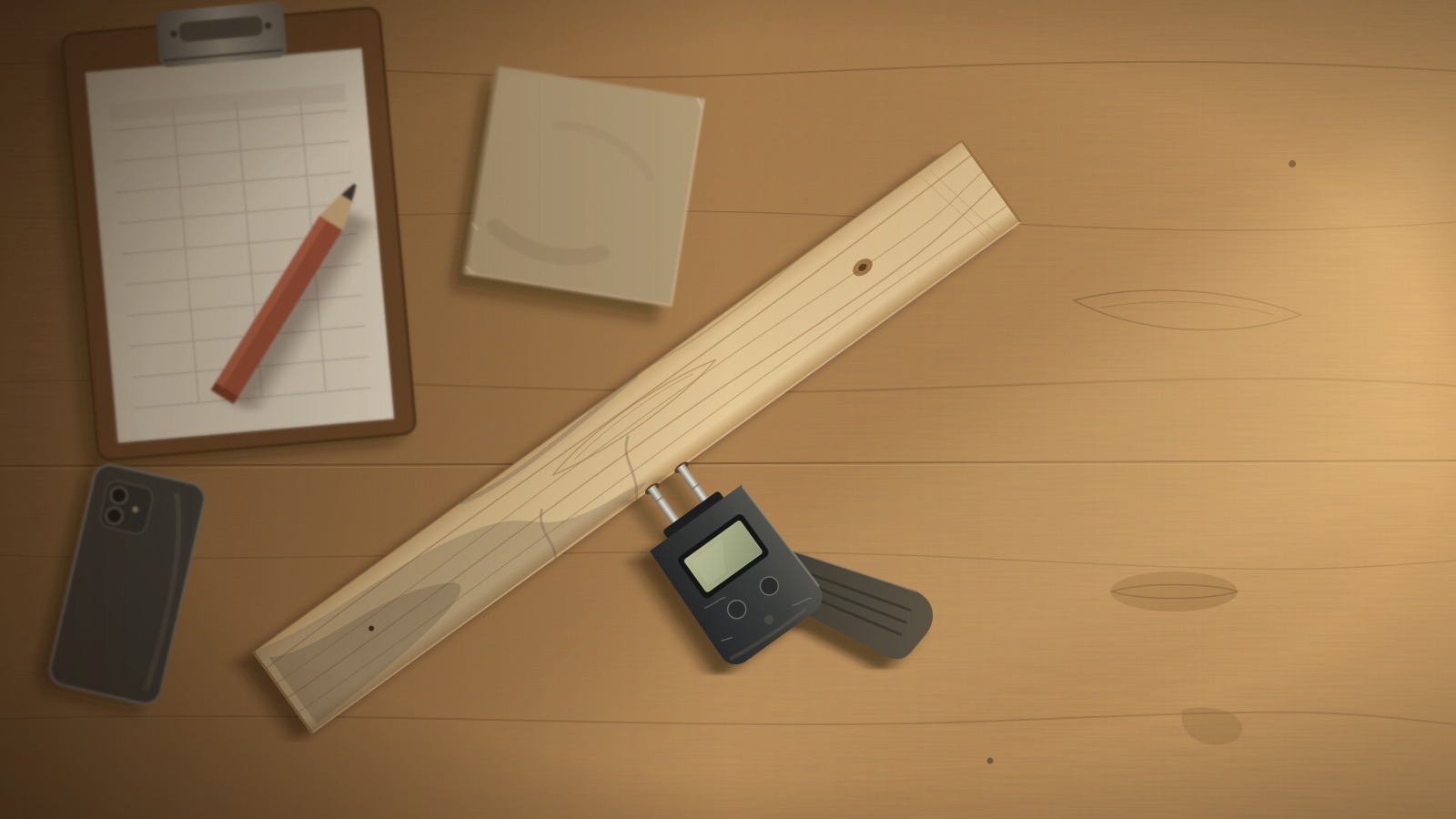
Often weeks, and the calendar doesn't tell you when it's done. A moisture meter does. NDSU Extension says, "Wood should have a moisture content of less than 15% before drywall, paneling or other coverings are placed on the wood," and "It may take weeks for the wood to be adequately dry to close a wall." It adds that "the only accurate way to measure wood moisture content is with a wood moisture meter."
Purdue Extension's Steve Cain made the same point in a 2015 release: "it could take weeks to dry out a house to the point where repairs can be made."
That's the trap for repeat-flood homes. When you want to get back in, the urge is to close walls as soon as they feel dry. Ask your drying crew for a written moisture log with readings taken in several spots, and don't let anyone hang drywall until the framing reads under 15%.
Local cost anchor: In August, mitigation director Andy Olson told KUTV that restoration was running roughly $4,000 to $6,000 per home. Deep water costs more. Wes Licalzi, chief of the Utah Tech University Police Department, told St. George News that water reached 10 to 11 feet in his basement, over the 8-foot ceiling, and Wayne Elwood of Service King Restoration was helping drain it. A job like that won't land at the low end.
What gets torn out after a flood?
Anything floodwater touched, in most cases. "Anything the water touched we have to take out, including drywall, insulation," Olson told KUTV. Then crews pressure-wash the mud off the framing. Purdue's Cain also advises removing wall and floor coverings exposed to floodwater, such as sheetrock, insulation and carpeting.
Juanita Puga described what that looked like in August: "We had to do drywall, insulation, carpet; basically, we had to strip most of the house and then rebuild it from there," she told St. George News. Her family moved back Oct. 1 and had to leave again after Oct. 22.
Watch for mold. According to the EPA, a moldy area of "less than about 10 square feet" can usually be cleaned by the homeowner. For anything bigger, the EPA advises hiring a contractor with mold cleanup experience. This matters for your wallet as well as your lungs: FloodSmart says "NFIP policies do not cover damage from mold." Fast drying is what keeps mold from becoming your problem.
How much does it cost to rebuild after a flood?
In Hurricane, the August rebuild costs ran from about $15,000 to $80,000, depending on how much of the house had to be replaced.
-
About $15,000: Mark Tabillos of Pecan Townhomes spent this from emergency savings and donations on cabinets, flooring, carpet and a bathtub, KUTV reported Oct. 23. "No one really wants to buy a house that has been flooded twice in a row," he said.
-
About $80,000: The Isoms' total for flooring, drywall and insulation removal, and new carpet.
Those are two households, not a price list, but they're real numbers from your neighbors. If a rebuild bid for a similar scope comes in well above them, ask for line items and find out what's driving the difference.
Closing out the job
Before you make the final payment, get these in writing:
-
A final itemized invoice from each contractor (drying, demolition and rebuild)
-
The moisture log showing readings before walls were closed
-
Receipts for materials, appliances and anything you replaced yourself
-
Photos of open walls and framing before drywall went up
Keep it all in one folder. If you file a supplemental claim, apply for aid or sell the house later, you'll need it.
Does homeowners insurance cover flood damage in Utah?
Usually not when the water comes from outside. Utah Insurance Commissioner Jon Pike told KUTV that standard homeowners policies don't include flood coverage. Water from a burst pipe is typically covered, but "if that flood originates outside the home, then it's not." Many Hurricane homeowners didn't have flood insurance.
If you have an NFIP policy:
-
60-day deadline. FEMA says to submit the Proof of Loss form within 60 days after the date of loss, along with supporting documents such as building damage estimates and personal-property inventories. You can add missed items later through a supplemental claim.
-
Advance payments. FloodSmart says insurers "may offer up to $5,000 without an adjuster's visit, official documentation or FEMA's authorization." Ask about it if you need money to start drying.
If you don't have a policy, buying one now won't cover Oct. 22. FEMA says, "Typically, there's a 30-day waiting period from date of purchase before your policy goes into effect." It's still worth pricing a policy for next time. Pike said NFIP costs range from $500 a year to over $10,000, depending on floodplain status.
Federal aid: FEMA's Individuals and Households Program can fund "the repair or replacement of owner-occupied homes that serve as the household's primary residence," but FEMA says it "is not a substitute for insurance." As of Oct. 24, no declaration covering Hurricane had been reported. The most recent Utah federal declaration, for Cottonwood Fire flooding, covered Beaver and Piute counties only, with FEMA Public Assistance at 75% of eligible costs, according to the Deseret News. Don't hold off on drying while you wait for aid. The mold clock doesn't wait.
Who to call first, and what to ask
Call a mitigation and drying crew first. Their job is extraction, demolition of wet materials and drying. A rebuild contractor comes after the framing is dry. When you call, ask:
-
Will you give me a written moisture log, and what reading do you dry to before closing walls? (Under 15% is the answer you want.)
-
Can you itemize the bid: extraction, equipment days, demolition, cleaning?
-
Will you set aside carpet, flooring and curtain samples for my adjuster?
-
Do you document before you remove anything?
Then line up a rebuild contractor for drywall, cabinets and flooring. Get at least two itemized bids so you can compare them line by line.
What's a fair price? In Hurricane in August, restoration ran roughly $4,000 to $6,000 per home, and rebuilds ran from about $15,000 (cabinets, flooring, carpet, a bathtub) to $80,000 (a much larger scope). A bid outside those ranges isn't automatically wrong, but you should be able to see why. Before you sign anything, check licensing, ask for proof of insurance, and get the scope in writing.
Related reading
-
What to Do in the First Three Days After Floodwater Gets Inside
-
Burst Pipe Repair Cost, From the Plumber's Visit to Drying Out the Drywall
-
Which Insurance Pays When Rain Floods the Basement From Below?
-
Ceiling Leak? What to Do in the First 48 Hours, Room by Room
Sources
-
UPR: Hurricane declares a local emergency after flooding damages over 100 homes and RVs
-
KSL: Hurricane homeowners say this is the second round of severe floods in 2 months
-
KUTV (Oct. 23): Hurricane residents demand answers after flooding repeatedly damages homes
-
KUTV (Aug. 19): Hurricane homeowners work tirelessly to clean up from massive flash floods
-
KUTV (Aug. 21): Lack of flood insurance leaves some Hurricane homeowners with thousands in repairs
-
KUTV (Oct. 9): Hurricane pushes forward on flood protections before storm
-
Fox 13: Neighbors clean up after devastating floods in Hurricane two months after previous flood
-
Fox 13: Over 100 homes, RVs damaged in floods as emergency declared in Hurricane
-
Deseret News: Cottonwood Fire and floods trigger disaster funds from Trump administration
-
FEMA: Submit Flood Insurance Proof of Loss Form Within 60 Days of Loss
-
Purdue: Homeowners: Make sure house is dried out before repairing
Note: This article contains AI-assisted content and has been reviewed by our editorial team.
ABOUT THIS SERVICE: CallTheLocal.com is a directory and lead generation service, not a contractor or service provider. Submitting this form does not obligate you to hire anyone or purchase any service. Your information will be shared with licensed, insured home service professionals in your area who may provide quotes for your project. CallTheLocal.com does not guarantee the quality, timeliness, or outcome of any work performed by service providers you connect with through this service. Always verify licensing, insurance, and references before hiring. Get everything in writing before work begins.