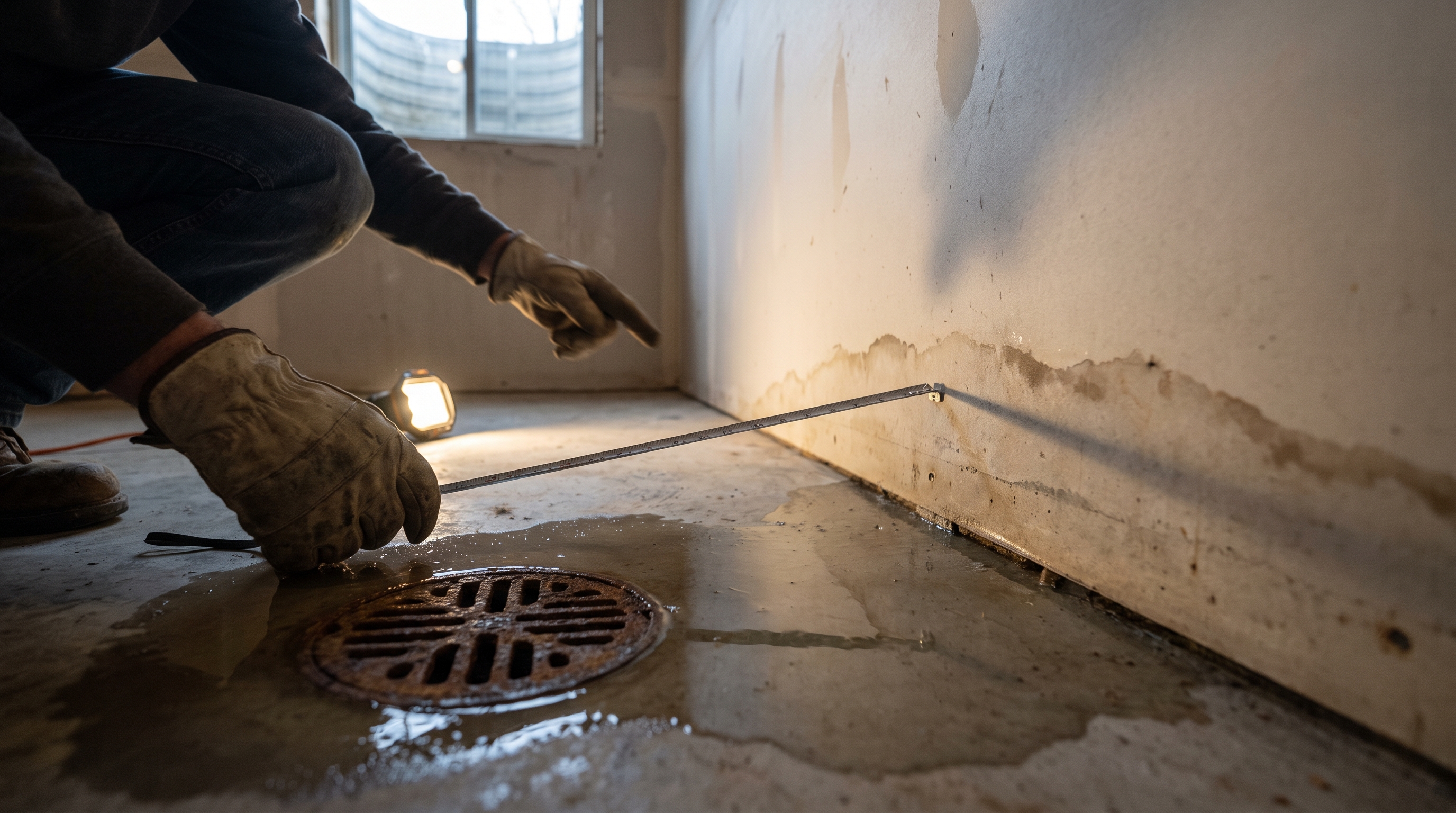
If your basement filled from the floor drain up during the September 13 storm, the first thing to check is your sewer backup insurance coverage. Whether your claim gets paid depends less on how much water came in and more on how it got in. A standard homeowners policy, a flood policy and FEMA aid each cover a different slice of the damage, and they do not overlap the way most people assume.
Here is the background. On Sunday, September 13, 2026, rain fell at 1 to 2 inches an hour across northern New Jersey, parts of Westchester County and coastal Connecticut along I-95. In the worst spots it hit 3 to 4 inches an hour, according to the National Weather Service as reported by Connecticut Public and the AP. The stretch from Norwalk to Westport got 6 to 7 inches. CBS New York reported about 7 inches in Fairfield County, along with flooded basements and first floors on 11th Avenue and 25th Street in Paterson, where Deadman Brook overflowed at Sconset Square. Paterson Mayor Andre Sayegh said crews rescued about 20 people. In Bridgeport, firefighters used boats to reach residents in flooded homes, and Westport made 13 vehicle rescues.
Now that the cleanup has started, a lot of homeowners have the same question. This guide goes through it one question at a time.
Does homeowners insurance cover water that came up through the floor drain?
Usually not, unless you added a water backup endorsement. According to The Hanover, standard homeowners policies typically exclude damage from water backing up through drains or sewers. Water backup coverage is an optional endorsement (also called a rider). It covers backed-up drains, clogged sewer lines and failed sump pumps, including the mold that follows.
What to do today: pull up your declarations page and look for a line that says "water backup," "sewer backup" or "water backup and sump discharge." If it is there, note the sublimit next to it. That dollar figure is the most the rider will pay, and it is often much lower than your dwelling limit.
Does flood insurance cover a flooded basement?
Partly. Flood insurance through the National Flood Insurance Program (NFIP) covers surface water that comes in from outside, like a flooded yard or street pouring through windows and doors. In a basement, though, it covers only the structure and essential equipment, according to FEMA's basement fact sheet.
Generally covered in a basement under NFIP:
-
Foundation walls and the floor
-
Furnace and HVAC equipment
-
Electrical systems
-
Permanently installed appliances
Generally not covered:
-
Finished walls, flooring and ceilings
-
Most belongings stored in the basement (contents coverage there is very limited and needs a separate contents policy)
Also check whether your space counts as a basement at all. The NFIP glossary defines a basement as any area whose floor is below ground level on all sides. A walkout basement that opens at grade does not meet that definition, so it may be treated differently. Ask your agent how your lower level is classified.
Does flood insurance cover sewer backup?
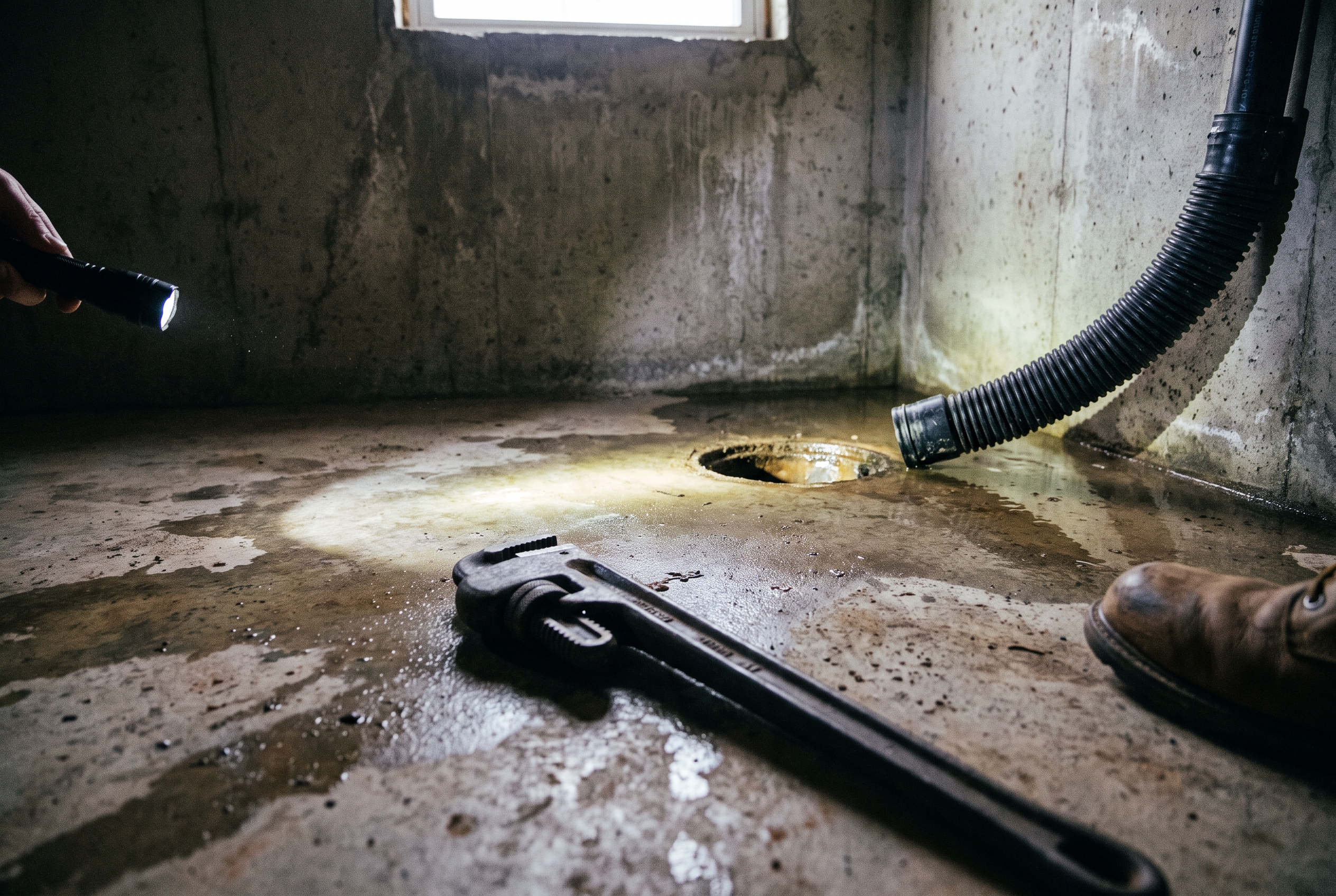
Only when a flood directly caused the backup. FEMA's fact sheet says the NFIP does not cover sewer backup or seepage unless it results directly from flooding. If water came up your floor drain because the municipal sewer was overwhelmed, and there was no general flooding at your property, flood insurance likely will not pay. That is exactly what the backup rider is for.
How do I tell which policy applies to my damage?
Start with where the water came from. Here is a quick guide to take into the call with your insurer:
| What you saw | Likely coverage | What to ask |
|---|---|---|
| Water rose from a floor drain, toilet or shower, with no standing water outside | Water/sewer backup endorsement on your homeowners policy | Do I have the rider? What is the sublimit and deductible? |
| Sump pump failed or was overwhelmed | Water backup endorsement, if it includes sump failure | Does my rider cover sump pump failure specifically? |
| Water poured in through windows, doors or window wells from a flooded yard or street | NFIP or private flood policy | Is my lower level a "basement" under the policy? What equipment is covered there? |
| Street flooded and the sewer backed up because of it | Possibly flood insurance, since the backup was caused by flooding | Will the adjuster treat this as a flood-caused backup? |
| No backup rider and no flood policy | Possibly FEMA aid, but only after a federal declaration | Report the damage to your state or local emergency management office now |
If your house took water both ways, which was common on September 13, report everything and let the adjusters sort out which policy applies. Don't guess and leave something off.
How much does a sewer backup rider cost?
About $50 to $250 a year, according to The Hanover, with limits anywhere from $5,000 up to the full replacement cost of the home. Many carriers sell lower sublimits, often in the $5,000 to $25,000 range. Pricing depends on your carrier, your home and the limit you pick. We could not find published regional quotes for New Jersey, New York or Connecticut, so the only reliable number is the one your agent gives you.
When you call, ask these three things:
-
What is the sublimit? A $5,000 limit can go fast once you pay for drywall removal, drying equipment and a new water heater.
-
What is the deductible? Some riders carry their own deductible, separate from the main policy.
-
Is sump pump failure covered? Some endorsements cover drain and sewer backup but handle sump failure differently.
If you had no rider this time, adding one will not cover the September 13 damage. It will cover the next storm.
How do I document basement flood damage for a claim?
Do this before you throw anything away:
-
Photos and video of everything, before cleanup starts. Walk the whole space slowly and narrate as you go.
-
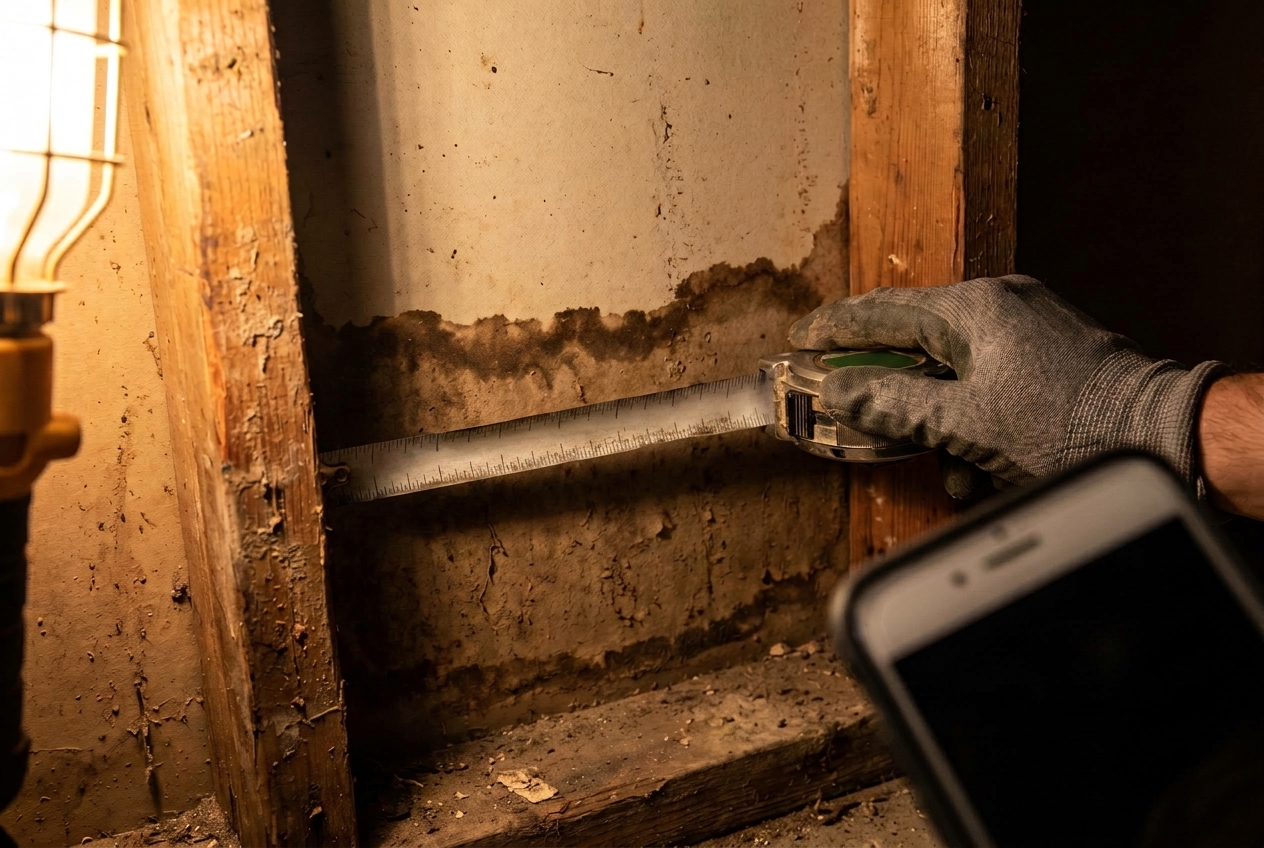
The water line. Photograph the highest mark on the walls, with a tape measure in the shot.
-
Model and serial numbers on the furnace, water heater, washer, dryer and any other equipment that got wet.
-
Receipts for damaged items, plus anything you spend on pumps, fans, dehumidifiers or a hotel.
-
Samples of ruined carpet and pad. Cut a small piece to keep before the rest goes to the curb.
-
The drain or entry point. A photo of the floor drain or the window well where water came in helps the adjuster decide between backup and flood.
File the claim promptly, write down the claim number and the name of everyone you talk to, and keep every letter the insurer sends. That includes a denial, which you may need later.
How do I report flood damage to the state?
Connecticut: Gov. Ned Lamont called the storm a "rain bomb." Most Connecticut damage reports have come from Fairfield County, with Bridgeport, Westport and New Haven among the hardest hit, according to NBC Connecticut. State officials are asking residents to report all flood damage, insured or uninsured and however small, through the Division of Emergency Management and Homeland Security form on ct.gov. The state uses those reports to decide whether to seek federal disaster aid.
New Jersey: As of September 18 we could not find a statewide damage-report form for this storm. After the July 2026 flooding in Camden, Gov. Mikie Sherrill told residents to report damage through the Office of Emergency Management, according to CBS Philadelphia. Paterson-area and other North Jersey homeowners should contact their municipal or county OEM and ask how to log damage.
Reporting matters even if you have insurance or the damage seems small. Federal aid for individuals depends on the state building a big enough damage count to request it.
Can FEMA pay for uninsured flood damage?
Only after a presidential disaster declaration, and only for the gap insurance does not cover. As of September 18 we could not verify a federal declaration for the September 13 storm.
If one comes, these rules apply, according to FEMA's fact sheets on insurance and eligibility and duplication of benefits:
-
FEMA Individual Assistance cannot pay for a loss that insurance or another source already covered. This is the duplication-of-benefits rule in Section 312 of the Stafford Act.
-
It can help with losses that are uninsured or underinsured.
-
File with your insurer first, then send FEMA your settlement or denial letter.
-
If your insurance payout is delayed 30 days or more, FEMA may be able to help in the meantime.
-
If insurance later pays for something FEMA already covered, you have to pay FEMA back.
This is why the denial letter matters. If your homeowners carrier turns down a backup claim because you had no rider, that letter is part of your FEMA file.
Who should I call first, and how do I hire a restoration crew?
Go in this order:
-
Your insurance company or agent. Open the claim, get a claim number and ask whether they want an adjuster to see the damage before removal starts.
-
Document everything as described above.
-
Report the damage to Connecticut DEMHS or your New Jersey municipal or county OEM.
-
A water damage restoration pro to extract water, remove wet materials and dry the space.
After a storm like this, restoration companies are busy and some door-knockers show up. Watch for these red flags:
-
Pressure to sign an assignment of benefits on the spot. This hands your claim rights to the contractor. Read it carefully, or decline, before you sign.
-
A large upfront deposit before any work starts.
-
No license or insurance paperwork when you ask for it.
-
Vague scope. Get a written, itemized estimate.
Ask any crew you hire for moisture readings and itemized drying logs. Adjusters use them to confirm the work was needed, and they help show the space was dried properly before walls and floors go back in.
The short version: find out how the water got in, check your declarations page for a backup rider, file with your insurer, report the damage to the state even if you are insured, and then bring in a restoration pro who will document the job for your adjuster.
Related reading
-
Should You Buy Impact Windows or Hurricane Shutters This Fall?
-
How to Find a Licensed Roofer on Kauai When the Whole Island Needs One
-
California Moves to Set the First Rules for Smoke Damaged Homes
Sources
-
CBS New York: Sunday's early downpours cause flooding headaches in parts of the Tri-State Area
-
Connecticut Public / AP: Drenching rains bring flash flooding across coastal Connecticut
-
NBC Connecticut: Gov. Lamont, state officials assess damage after severe flooding
-
CBS Philadelphia: NJ Gov. Sherrill visits Camden after flash flooding
-
The Hanover: Answers to questions about water backup coverage
-
FEMA: Am I Eligible for FEMA Assistance if I Have Insurance?
-
FEMA: Understanding Duplication of Benefits and Your FEMA Individual Assistance
Note: This article contains AI-assisted content and has been reviewed by our editorial team.
ABOUT THIS SERVICE: CallTheLocal.com is a directory and lead generation service, not a contractor or service provider. Submitting this form does not obligate you to hire anyone or purchase any service. Your information will be shared with licensed, insured home service professionals in your area who may provide quotes for your project. CallTheLocal.com does not guarantee the quality, timeliness, or outcome of any work performed by service providers you connect with through this service. Always verify licensing, insurance, and references before hiring. Get everything in writing before work begins.